
DME Billing
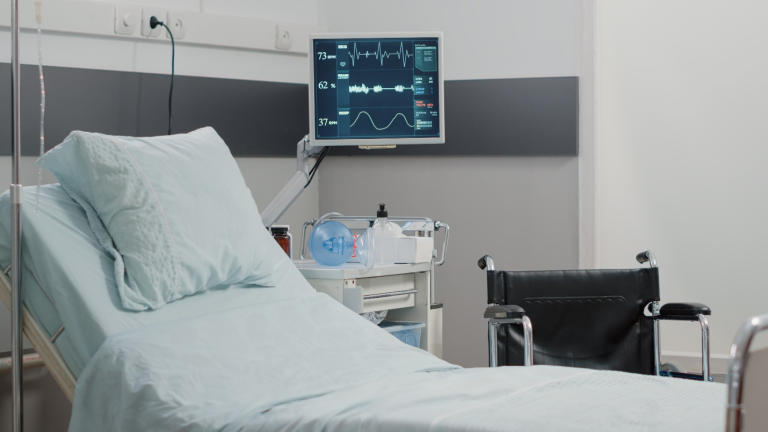
DME refers to reusable medical devices and supplies prescribed by healthcare professionals to support patients in managing medical conditions, improving quality of life, and aiding recovery. These items are designed for long-term use and typically include products such as wheelchairs, oxygen equipment, and hospital beds.
What is DME?
Durable Medical Equipment (DME) refers to medical devices and equipment prescribed by healthcare providers to support patients managing specific medical conditions. These items must meet strict medical necessity criteria and can only be provided to patients after proper documentation and authorization protocols established by insurance payers have been followed.
Common examples of DME include CPAP machines, nebulizers, wheelchairs, hospital beds, oxygen equipment, and dialysis machines. Most DME items are designed to provide long-term therapeutic support for patients with chronic or serious health conditions. These products are built to withstand repeated use over an extended period, making them a critical component of ongoing patient care.
DME Billing Protocols
- Physician Referral & PrescriptionObtain a valid written order or prescription from the treating physician specifying the medical necessity for the DME item.
- Insurance Eligibility VerificationVerify patient’s active insurance coverage, benefits, and DME-specific coverage limits before proceeding with the order.
- Prior AuthorizationSubmit prior authorization requests to insurance payers when required, including all supporting medical documentation and clinical notes.
- Accurate HCPCS CodingAssign correct HCPCS Level II codes for each DME item, ensuring proper modifiers are applied based on rental vs. purchase, new vs. used equipment, and delivery method.
- Documentation RequirementsGather and maintain all required documentation including Certificate of Medical Necessity (CMN), physician notes, delivery tickets, proof of delivery (POD), and patient signatures.

- Equipment Ordering & DeliveryProcess equipment orders, coordinate delivery to patient’s location, and ensure proper documentation of delivery date and patient receipt.
- Rental Guidelines ComplianceFollow payer-specific rental guidelines including capped rental periods (typically 13 months), monthly billing cycles, and purchase vs. rental determinations.
- Ongoing Equipment Maintenance & SuppliesTrack maintenance schedules, replacement parts, and recurring supply orders (such as CPAP masks, nebulizer medications, oxygen tanks) with appropriate billing codes.
- Claims Submission & Follow-upSubmit clean claims with all required documentation, monitor claim status, and follow up on denials or pending claims promptly.
